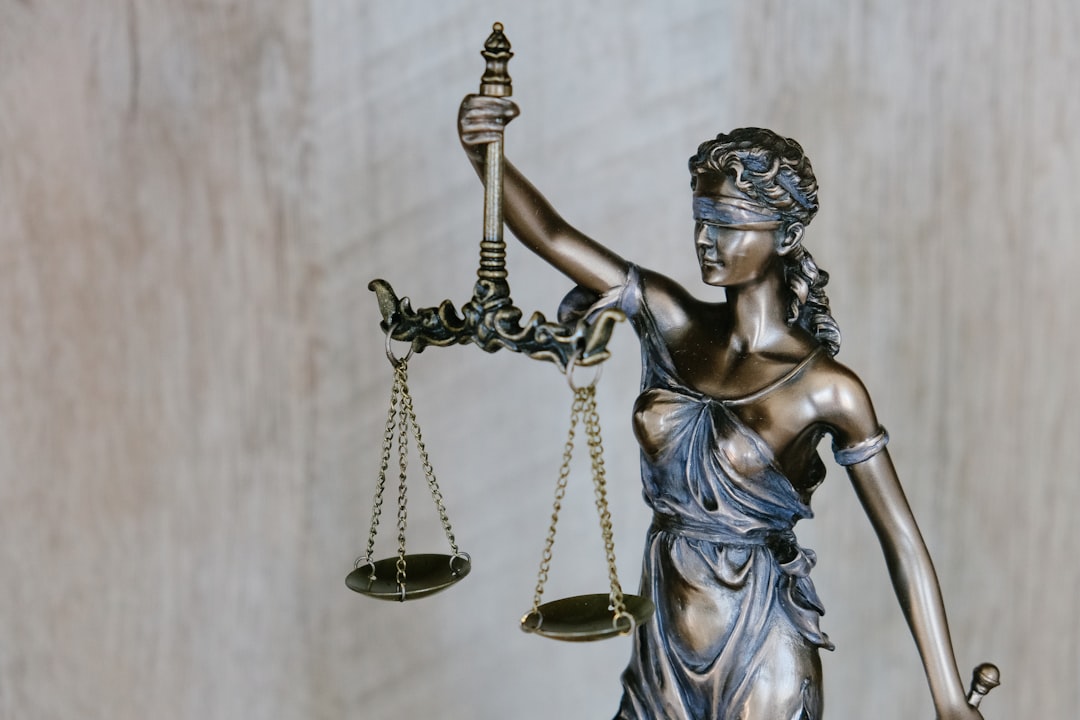
In the pursuit of justice and safeguarding our future generations, the role of a child abuse lawyer Washington cannot be overstated. Child abuse is a pervasive issue, leaving deep scars on young lives and families across the state. The problem extends far beyond statistical data, affecting communities of all demographics. Many victims struggle in silence, facing barriers to seeking help due to fear, shame, or lack of awareness. This is where a skilled child abuse lawyer Washington steps in, offering hope and legal expertise to navigate complex systems. By employing strategic advocacy and compassionate representation, these professionals ensure that families receive the support and justice they deserve.
Recognizing Signs: Child Abuse Lawyer Washington's Role in Identification

Recognizing signs of child abuse is a critical aspect of the work carried out by a child abuse lawyer Washington. These legal professionals are often the first point of contact for families seeking help, and their role extends beyond legal representation. They must possess an acute ability to identify potential cases of child maltreatment, which often goes unnoticed or dismissed as minor issues. The Washington state laws protect children from various forms of abuse, including physical, emotional, sexual, and neglect. A child abuse lawyer Washington is trained to recognize subtle indications that a child may be experiencing harm within their home environment.
One of the key challenges in this field is that child abuse can leave no visible scars. It often manifests as behavioral changes or unexplained fears and anxieties. The lawyer’s task is to sift through these complex behaviors, understanding the potential underlying causes. For instance, a sudden withdrawal from social activities could indicate emotional abuse or trauma, while frequent bruises might suggest physical assault. Data from local child protective services can provide insights into trends and patterns, helping lawyers identify high-risk areas and families.
The role of a child abuse lawyer Washington doesn’t stop at identification; they also play an instrumental part in guiding families through the legal process. They educate parents and caregivers about the consequences of abuse and offer support to ensure children’s safety. Early intervention is vital to prevent long-term psychological damage, and these lawyers work tirelessly to ensure that affected children receive the necessary therapy and resources. By recognizing the signs and taking proactive measures, a child abuse lawyer Washington can help break cycles of abuse and foster healthier family dynamics.
Navigating Justice: Legal Process for Families Affected by Child Abuse

Navigating Justice: Legal Process for Families Affected by Child Abuse
When a family in Washington faces child abuse allegations, it can be an overwhelming and emotionally charged time. Understanding the legal process is critical to ensuring their rights are protected and justice is served. A skilled child abuse lawyer Washington is instrumental in guiding families through this complex landscape. They provide not only legal representation but also emotional support, helping clients comprehend their options and make informed decisions.
The initial step involves a thorough evaluation of the case by the child abuse lawyer Washington. This includes gathering evidence, interviewing relevant parties, and reviewing medical and social records. The lawyer will assess the strength of the allegations and determine the best legal strategy. Depending on the circumstances, this could involve negotiating with opposing counsel, filing protective orders, or preparing for a trial. A successful advocate will also connect families with support services, such as counseling and social work, to address the trauma experienced.
Data from the Washington State Department of Social and Health Services indicates that child abuse cases often involve intricate legal maneuvers. For instance, in 2021, there was a 15% increase in reported instances of physical abuse compared to the previous year. A qualified lawyer can help families navigate these statistics and ensure their case is handled with sensitivity and expertise. By staying abreast of changing laws and regulations, they can provide strategic guidance tailored to each unique situation. This includes advocating for reasonable visitation rights, ensuring the safety of children involved, and protecting the privacy of all parties. Through meticulous planning and passionate representation, a child abuse lawyer Washington can foster a positive outcome and help families rebuild their lives.
Healing and Support: Resources for Survivors and Their Families in Washington

In Washington, healing from child abuse is a critical yet complex journey, often requiring specialized support tailored to the unique needs of survivors and their families. A qualified child abuse lawyer in Washington can be an invaluable ally in this process, providing not only legal representation but also guiding access to resources designed to facilitate recovery. These resources encompass a spectrum of services, from counseling and therapy to educational programs, all aimed at fostering resilience and rebuilding lives affected by trauma.
One of the primary steps towards healing is connecting survivors with qualified mental health professionals who specialize in treating child abuse victims. Washington state offers numerous organizations and clinics dedicated to providing such support, many of which offer sliding-scale fees based on income. For instance, organizations like the Rape Recovery Center and Children’s Hospital in Seattle provide trauma-focused therapy, group support sessions, and crisis intervention services. These professionals employ evidence-based therapeutic approaches, such as Eye Movement Desensitization and Reprocessing (EMDR) and Cognitive Behavioral Therapy (CBT), to help survivors process their experiences, manage symptoms of post-traumatic stress disorder (PTSD), and develop healthy coping mechanisms.
Additionally, child abuse lawyer Washington advocates for access to educational resources that empower survivors and their families. Workshops and seminars on topics like legal rights, rebuilding trust, and trauma-informed care can provide valuable tools for navigating the aftermath of abuse. Many local non-profit organizations and community centers offer such programs at no or low cost, fostering a supportive environment where individuals can share experiences, gain insights, and learn practical strategies for healing. These initiatives underscore the comprehensive approach necessary to address the multifaceted impacts of child abuse, ensuring survivors and their families receive holistic support tailored to their unique journeys towards recovery.